
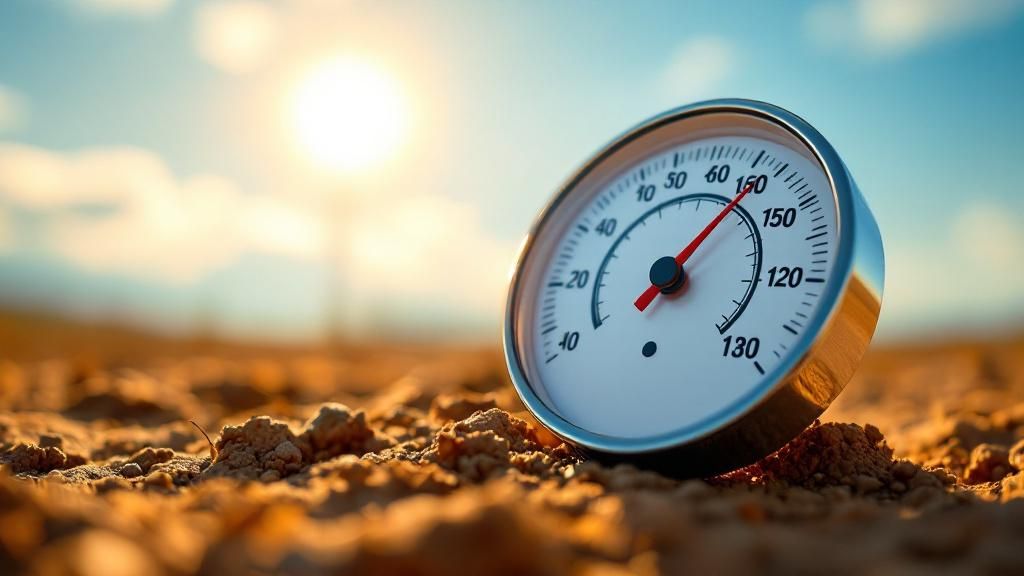
Despite experiencing its warmest summer on record, the United Kingdom recorded significantly lower numbers of heat-related deaths than anticipated during 2025, officials reported. The UK Health Security Agency (UKHSA) disclosed approximately 1,504 heat-associated deaths across England—roughly half the 3,039 deaths that had been predicted. The unexpectedly low mortality figures came despite multiple heatwaves battering the nation, with temperatures reaching nearly 38°C and an average summer temperature of 16.1°C, the highest ever recorded. Health authorities ascribed the lower death toll to coordinated action across the NHS and care system, combined with community heat awareness campaigns that likely encouraged people to take protective measures during the hottest period.
A Record-Setting Season with Lower Casualties
Summer 2025 will be remembered as the warmest on record, with an mean temperature of 16.1°C exceeding the earlier record of 15.76°C set in 2018. The season was defined by four separate heatwaves that swept across the country, though notably these were relatively brief and did not achieve the extreme temperatures experienced in earlier summers. The highest temperature recorded was 35.8°C in Faversham, Kent on 1 July, below both the 35.9°C recorded during the famous summer of 1976 and the nation’s highest temperature ever of 40.3°C set in July 2022. Despite the persistent warmth during the season, meteorologists noted that nine occasions went above 32°C, considerably fewer than the 16 days seen in the legendary 1976 heat period.
The remarkable warmth felt throughout the nation was driven by a combination of meteorological factors, including the persistence of high-pressure systems that held position over the British Isles. Exceptionally high ocean temperatures surrounding the UK were instrumental in the increased heat levels, whilst parched ground from the spring months prior further intensified the heating effect. Experts indicate that the higher heat levels in spring’s latter stages may have coincidentally helped population health by prompting individuals to implement safety measures ahead of schedule, possibly readying at-risk groups for the extreme temperatures to come. This early adjustment, combined with integrated healthcare system actions and broad-reaching health communication efforts, appears to have been vital in forestalling the anticipated surge in temperature-related fatalities.
- Four heatwaves gripped the UK throughout summer 2025
- Mean temperature of 16.1°C was highest on historical record
- Peak temperature of 35.8°C measured in Kent
- High pressure zones and warm seas produced persistent heat
Understanding the Intense Conditions of the 2025 Summer Season
Temperature Records and Thermal Patterns
Summer 2025 proved to be the most sweltering season on record for the United Kingdom, with an typical temperature of 16.1°C eclipsing the previous record of 15.76°C recorded in 2018. The season was marked by four notable heatwaves that moved through the nation, though these were comparatively short-lived and fell short of producing the record-breaking temperatures seen in earlier decades. The peak temperature recorded during the season reached 35.8°C in Faversham, Kent on 1 July, staying beneath both the 35.9°C observed during the iconic 1976 heatwave and the UK’s ultimate record of 40.3°C achieved in July 2022.
Despite the sustained warmth marking the whole season, the count of days surpassing 32°C remained fairly restrained in contrast with historical precedents. Summer 2025 experienced nine days exceed the 32°C mark, a figure markedly fewer than the 16 days observed during the notable 1976 summer. This distinction demonstrates an significant meteorological distinction: whilst 2025 showed prolonged warm temperatures during the season, particular high days were more moderate than those recorded in prior exceptional summers, indicating a pattern of steady temperatures rather than sudden temperature surges.
What Made This Summer So Warm
The outstanding warmth experienced during summer 2025 stemmed from a combination of considerable weather factors that combined to elevate temperatures across the UK and surrounding areas. High-pressure weather systems governed the weather patterns, staying in place over the UK and stopping the standard seasonal variations that normally introduce cooler conditions during summer months. These prolonged high-pressure areas functioned as a heat-trapping mechanism, sustaining warmth day after day and contributing significantly in the unprecedented seasonal temperature average.
Beyond atmospheric patterns, oceanographic conditions were instrumental in intensifying the heat. Unusually warm sea temperatures surrounding the United Kingdom conveyed additional thermal energy to the atmosphere, further elevating air temperatures across coastal and inland regions alike. The Met Office determined that moisture-depleted soil carried over from the previous spring intensified the heating effect, as parched soil takes in and gives off more heat versus moist ground. This convergence of conditions—high-pressure dominance, warmer waters, and arid soil conditions—generated the ideal weather conditions for prolonged heat.
- High-pressure systems stayed stationary above the British Isles throughout the summer months
- Exceptionally high ocean temperatures transferred thermal energy to the atmosphere
- Parched spring soils amplified the warming effect throughout the landscape
Why Planning Ahead Made the Difference
The remarkably reduced death toll during Britain’s hottest summer ever recorded represents a major healthcare success story, one that officials attribute largely to coordinated preparation and swift action across the NHS and care system. The UK Health Security Agency credits temperature health warnings—issued considerably before peak temperatures—with enabling vulnerable populations to adopt safety precautions before the most dangerous conditions. Dr Agostinho Sousa, head of severe weather and public health at UKHSA, emphasised that the results “suggest that the actions taken across the health and care system may be helping to reduce harm”. This proactive approach stands in marked contrast to previous summers when delayed action often came too late to prevent casualties among the elderly and infirm.
A particularly intriguing factor responsible for the lower-than-expected mortality figures concerns the timing of spring’s warmth. The exceptionally temperate conditions in late spring 2025 seem to have encouraged people to begin adopting heat-adaptation measures earlier than in previous years, thereby prolonging the timeframe in which at-risk populations acclimatised to warmer conditions. This incremental adjustment may have bolstered bodily capacity before the peak summer heat arrived. The phenomenon underscores an key concept in population health: timely action and ongoing education initiatives can substantially decrease harm, even when facing record-breaking environmental challenges that might typically strain healthcare systems.
| Protective Measure | Impact on Mortality |
|---|---|
| Early heat health alerts | Enabled vulnerable groups to prepare in advance, reducing emergency presentations |
| NHS and care system coordination | Streamlined response protocols and resource allocation across hospitals and care homes |
| Public awareness campaigns | Increased uptake of protective behaviours such as hydration and staying indoors during peak heat |
| Spring acclimatisation period | Gradual temperature increases allowed physiological adaptation before peak summer temperatures |
Lessons from Early-Spring Adaptation
The surprisingly mild spring of 2025 unintentionally created a natural experiment in heat adaptation, demonstrating the protective value of gradual temperature increases over sudden extremes. As people began encountering warmer conditions weeks earlier than typical, many naturally adopted heat-management strategies—modifying what they wore, modifying activity patterns, and increasing fluid intake—that proved essential when summer temperatures peaked. This gradual acclimatisation appears to have enhanced the body’s ability to cope, particularly amongst elderly people whose bodies typically struggle with sudden changes in temperature. The experience suggests that health authorities should make use of and plan for such periods of naturally warmer weather, using them as opportunities to educate vulnerable populations about heat safety before conditions become truly hazardous.
At-Risk Populations and Health Risks
Whilst heat can pose a threat to anyone during sustained hot weather, certain groups within the population face significantly elevated risks of severe injury or mortality. Elderly individuals, particularly those aged 75 and over, continually encounter the highest heat-associated mortality rates, a trend that persisted throughout summer of 2025. This vulnerability stems from the physical alterations linked to ageing, including reduced ability to regulate body temperature effectively and diminished thirst perception, which can cause harmful fluid loss without individuals realising.
Beyond the elderly, infants and young babies also need particular protection during heatwaves, as their bodies have difficulty keeping safe core temperatures. Individuals affected by chronic long-term conditions—especially conditions affecting the heart like cardiovascular disease, respiratory illness, and diabetes—face elevated risk because these illnesses impair the body’s resilience with the physiological stress resulting from extreme heat. People living in care homes and those without regular social contact form further at-risk groups, as they may lack access to air conditioning or support networks to ensure adequate hydration and suitable cooling strategies during the hottest periods.
- Older people aged 75 years and above face highest mortality rates in periods of extreme heat
- Babies and small children cannot regulate their internal temperature in extremely hot conditions
- Those with cardiovascular disease, diabetes, or respiratory illness encounter substantially increased danger
- Isolated individuals and care home residents do not have access to sufficient cooling facilities and assistance
- People on specific drugs can experience impaired heat regulation and increased vulnerability
How High Temperatures Affects the Human Physiology
During stretches of intense heat, the human body’s internal temperature can rise dangerously, triggering a chain of physiological responses that, if unmanaged, lead to serious medical emergencies. The body attempts to cool itself through sweating and enhanced circulation to the skin, but these mechanisms become overwhelmed during prolonged heat exposure. Heat exhaustion constitutes an early warning sign, characterised by lightheadedness, sickness, and heavy perspiration, whilst heatstroke—a dangerous medical emergency—occurs when core body temperature exceeds 40°C, potentially causing organ failure, confusion, and loss of consciousness. Vulnerable individuals have trouble producing these protective responses effectively, making heat management interventions vitally necessary.
Planning for the Summers Ahead
Whilst 2025’s reasonably encouraging mortality figures provide a degree of comfort, climate scientists warn that future summers are expected to deliver progressively significant challenges. The Met Office’s outlook for 2026 suggests global average temperatures will exceed 1.46°C above pre-industrial levels, possibly placing it among the fourth warmest years on record. This trend reflects the wider trend of warming driven by climate change, with episodes of intense heat becoming more severe, prolonged, and regular across the UK. The mild winter conditions already observed suggest the warming trend demonstrates no indication of slowing in the near term.
Dr Agostinho Sousa’s warning statements emphasise the urgency of sustained preparedness as temperatures keep rising. The UKHSA emphasises that collaborative readiness and action mechanisms must continue to be strong and responsive to safeguard at-risk groups adequately. Existing temperature-based warning schemes and NHS protocols have provably minimised harm, yet these measures will require continuous refinement and funding distribution as environmental circumstances worsen. Senior public health figures stress that apathy poses significant risk, given the relentless trajectory of the warming trend confronting Britain.
- Global temperatures in 2026 projected to surpass 1.46°C beyond pre-industrial baseline levels
- Heat waves anticipated to grow more intense, more prolonged, and increasingly frequent across the country
- Sustained health system preparedness and community awareness critical for safeguarding vulnerable groups
