
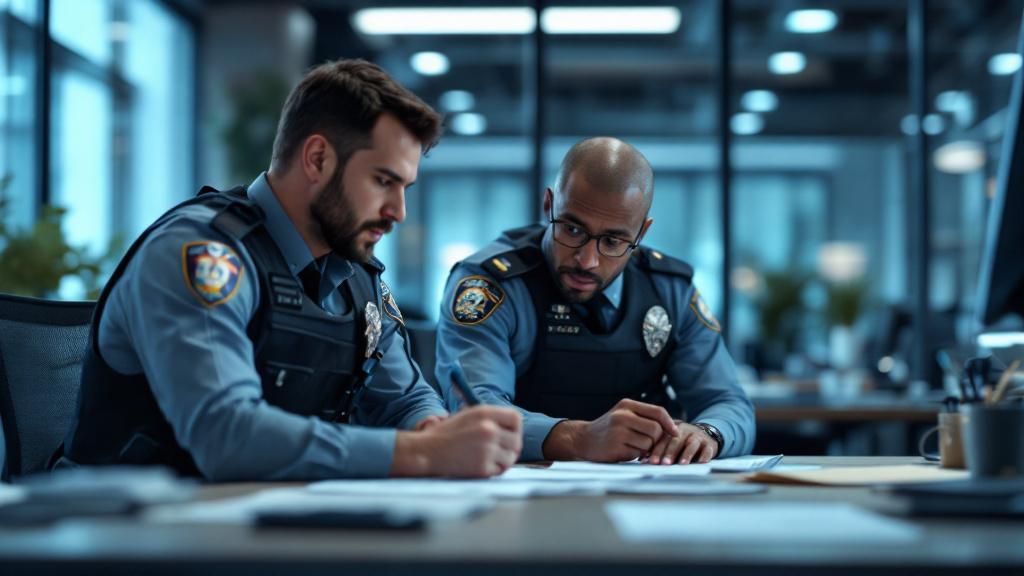
Police forces throughout the nation are being offered specialist support from a newly established democracy protection unit to combat the rising tide of abuse and threats directed at Members of Parliament. Police chief Chris Balmer has been tasked with leading the initiative, tasked with helping forces investigate and combat what officials are describing as “anti-democratic crimes”. The move comes as reports of offences against MPs have increased more than twofold since 2019, reaching nearly 1,000 in the previous year. Security Minister Dan Jarvis characterised the situation as unprecedented, stating that “the volume, breadth and tempo of threats against elected representatives” has become deeply concerning. The announcement highlights mounting concerns about the safety of politicians and the declining standard of public discourse concerning Parliament.
The Extent of the Emergency
The figures paint a stark picture of the growing danger confronting MPs. Data released to the BBC reveals that between 2019 and 2025, MPs submitted 4,064 crimes to the Metropolitan Police’s Parliamentary Liaison Team. The year-on-year growth have been unrelenting, with 976 offences documented in 2025 compared to just 364 in 2019. This near-triple increase reveals a troubling trend that has sparked immediate measures from the top echelons of law enforcement and government authorities.
The character of the crimes being reported is extremely alarming. Abusive messages dominate the statistics, totalling 2,066 offences across the six-year timeframe, with criminal damage and harassment. Perhaps most disturbingly, death threats have increased sharply, with 50 recorded in 2025 alone, against 31 the year before. Many MPs have stated to the BBC that threats of this nature have become commonplace, yet considerable numbers are not reported to law enforcement, indicating the real magnitude of the problem could be far worse than official figures suggest.
- Malicious communications constituted the largest category of recorded offences.
- Threats of violence grew from 31 in 2024 to 50 in 2025.
- Many MPs do not disclose threats they receive to law enforcement.
- Acts of physical violence stayed relatively modest but display increases around elections.
Democracy Protection Portfolio Takes Shape
Chris Balmer, the police chief chosen to head the new nationwide democracy safeguarding unit, has been assigned a comprehensive remit to address the crisis directly. His appointment constitutes a significant escalation in the police response to risks to Members of Parliament, raising the issue to a national footing rather than leaving local forces to handle situations in isolation. The formation of this dedicated unit signals that law enforcement bodies now view anti-democratic crimes as a particular type demanding specialised skills and coordinated intelligence-sharing across all police forces in England, Wales, Scotland and Northern Ireland.
The formation of this portfolio occurs at a critical juncture for British democracy. With threatening messages growing commonplace and harassment campaigns escalating in sophistication, the government and police leadership have conceded that existing methods are not enough. The unit will act as a central hub for information, advice and assistance, enabling police forces to react with greater effectiveness the growing threat landscape. By bringing together specialist knowledge and funding, the scheme aims to dismantle barriers that have historically hindered joined-up action to what is now acknowledged as a fundamental threat to the security of elected representatives.
Chris Balmer’s Brief
Balmer’s role encompasses three core functions designed to improve police activities across the country. Firstly, he will manage intelligence on risks facing politicians, establishing a comprehensive overview of emerging patterns and high-risk individuals. Secondly, he will counsel police forces on the proper categorisation of crimes against democracy, promoting standardisation in how incidents are recorded and prioritised. Thirdly, he will offer expert assistance to officers looking into accused persons, leveraging expertise to construct more robust prosecutions and increase successful prosecutions.
The appointment demonstrates the seriousness with which the government now views the threat to parliamentary democracy. Security Minister Dan Jarvis directly wrote to Balmer emphasising the significance of staying abreast of the changing character of threats and abuse. This ministerial engagement reflects governmental dedication to supporting the police response, guaranteeing that the new unit has the support and funding required to succeed in its difficult remit.
Personal Burden on Elected Representatives
Behind the figures of escalating danger lies a deeply troubling reality for MPs and their families. Many elected representatives now live with constant fear, taking extraordinary measures to protect themselves and their loved ones. The mental toll of getting threatening messages has become an occupational hazard of modern politics, with MPs noting that such harassment has become commonplace. Yet despite the frequency these incidents happen, many choose not to inform the authorities, suggesting the actual extent of the problem may be even more severe than official figures indicate. The normalisation of threats against democratically elected officials constitutes a marked decline of the security and respect that should accompany public service.
The financial and practical burden of strengthened protection has weighed significantly on individual MPs and their families. Those who have received credible threats have been compelled to install panic buttons, CCTV systems, and strengthened doorways in their residences—converting private residences into secure installations. Beyond the considerable expense involved, these measures function as a constant, unsettling reminder of the danger they encounter. The emotional cost reaches family members, who must navigate the anxiety of living under threat. For many MPs, the choice to pursue or continue in elected office has become firmly connected with personal risk, prompting significant concerns about if democracy can operate properly when elected officials must prioritise personal security over constituent engagement.
Rushworth’s Difficult Experience
Labour MP Sam Rushworth’s background illustrates the distressing reality affecting modern parliamentarians. Starting in 2024, he endured a relentless wave of threats to his life from an obsessed constituent, forcing him to take drastic action to protect his loved ones. Rushworth installed panic buttons and CCTV systems in his property, turning his personal dwelling into a secure location. The experience has forced him to manage the twin challenges of representing his constituents whilst living under constant threat. His case highlights how elected representatives must often fend for themselves, taking matters into their own hands when formal support systems fall short.
Fleet’s Day-to-Day Battle
Other MPs encounter comparably difficult circumstances, with coordinated attacks growing more advanced and unrelenting. The everyday experience for members under attack requires handling anxiety, implementing security protocols, and working to uphold regular parliamentary responsibilities whilst facing sustained assault. Many struggle to distinguish between credible dangers and incendiary speech, compelling them to treat every hostile message with seriousness. The collective mental toll of ongoing mistreatment exerts a significant impact on mental health and wellbeing. These individual experiences underscore why the fresh national mechanism is so desperately necessary—individual MPs should not bear the responsibility for self-defence against what amounts to assaults on democracy in themselves.
Escalating Risks and Unequal Targeting
The character of threats facing MPs has substantially evolved in the past few years, becoming more diverse and sophisticated. Hostile communications now dominate reported offences, constituting over half of all criminal acts directed at parliamentarians between 2019 and 2025. This type encompasses threatening emails, online harassment, and threatening letters—a method of targeting that takes advantage of digital platforms to contact MPs with extraordinary ease and anonymity. The extent of this challenge goes well beyond traditional physical security concerns, requiring law enforcement agencies to develop fresh investigative approaches and digital forensics capabilities to locate offenders through multiple digital platforms.
The notable year-on-year increase in recorded crimes indicates an concerning trend. In 2019, officers logged 364 crimes against MPs; by 2025, this total had increased nearly threefold to 976 reported crimes. Most concerning is the increase in death threats, which rose from 31 in 2024 to 50 in 2025, suggesting an escalation in the severity of abuse rather than merely its volume. Defence Secretary Dan Jarvis’s assessment of the risk as “unprecedented” conveys real concern within the administration about whether current safeguarding measures can adequately safeguard democracy’s representatives against this emerging danger.
| Offence Category | Total Reports 2019-2025 |
|---|---|
| Malicious Communications | 2,066 |
| Harassment | 1,200 |
| Criminal Damage to Building | 580 |
| Death Threats | 231 |
| Assault | 68 |
Security Measures and Official Response
The government’s dedication to protecting MPs has increased considerably since the tragic murders of Jo Cox in 2016 and Sir David Amess in 2021. Operation Bridger, established in the wake of Cox’s death, represents a foundation of this protective framework, offering MPs entitlement to enhanced protective arrangements for both their residences and local offices. In 2017–18 alone, expenditure on MP security surged to £4.2 million, constituting a 60 per cent rise on the preceding year. Whilst protective budgets have fluctuated in later years, spending has remained significantly higher set against earlier levels, demonstrating an institutional acknowledgement that dangers to parliamentarians constitute threats to democracy itself.
Despite these significant investments in physical security, many MPs argue that current measures continue to be insufficient in the light of evolving digital and in-person threats. Individual parliamentarians have implemented their own solutions, fitting panic buttons, CCTV systems, and enhanced protective measures at considerable personal expense. Labour MP Sam Rushworth exemplifies this frustration, having upgraded his home security substantially after receiving numerous death threats from an fixated constituent. Such piecemeal measures emphasise a fundamental shortfall: whilst perimeter security has improved, the psychological toll and financial burden on individual MPs indicates that systemic solutions—including the new national democracy protection unit—are vital to guarantee elected representatives can discharge their responsibilities without fear.
- Operation Bridger delivers improved protection for MPs’ constituency offices and homes nationwide
- Security spending increased 60% to £4.2 million in 2017–18 following Cox’s murder
- Many MPs supplement government protection with privately funded security measures and technology
